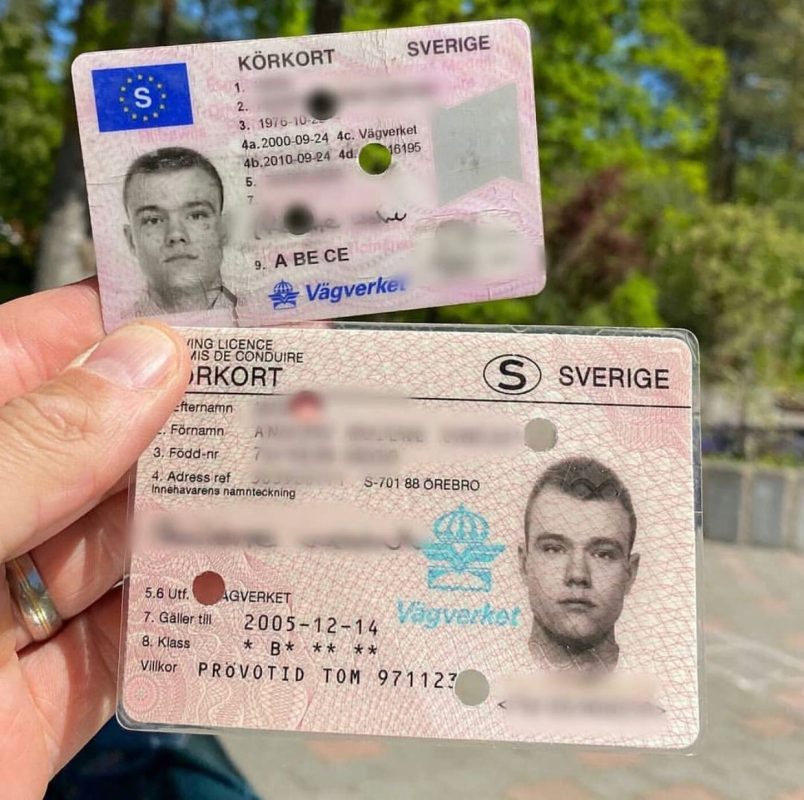
The Future of Driving Licenses: ID Handling in 2025
As technology continues to develop at an unprecedented rate, different sectors are accepting innovations to improve user experience and performance. Among the areas experiencing considerable transformation is identity management, particularly worrying driving licenses. With the introduction of digital licenses and advanced recognition techniques, the landscape of driving license ID handling is anticipated to go through considerable changes by 2025. Köpa Körkort out the awaited developments in driving license ID handling, the implications for users, and answers often asked questions about the future of driving licenses.
The Evolution of Driving Licenses
Driving licenses have actually generally functioned as a way of determining an individual's authority to run a motor lorry. They also serve numerous secondary purposes, consisting of age verification and identity verification for banking and travel. Nevertheless, the physical card system has constraints, consisting of threats of counterfeiting, loss, and outdated information. As society gravely depends on efficient and safe and secure identification systems, the transition towards digital licenses is ending up being increasingly popular.
Current Trends in Driving License ID Handling
- Digital Licenses: Many states are piloting digital driving licenses that allow users to keep their credentials on their smart devices. Köpa A1 Och A2 Körkort are designed with advanced security functions, including biometric data, and can be scanned or shared securely.
- Blockchain Technology: Some jurisdictions are checking out blockchain to boost the security and credibility of driving licenses. This innovation ensures that information can not be tampered with which the information is quickly verifiable.
- Facial Recognition: Increasingly used in identification practices, facial acknowledgment technology can accelerate the procedure of confirming an individual's identity against their driving license. This technology also helps in reducing fraud and maintain the stability of the licensing systems.
- Multi-Functional Licenses: Future driving licenses may integrate additional features such as health records, travel documentation, and even payment systems, providing an extensive identity service.
The Benefits of Digital Driving Licenses by 2025
The shift towards digital driving licenses provides numerous benefits, including:
- Convenience: Users can access their licenses anytime, which gets rid of the requirement for physical cards. This is particularly useful when people forget their license, as digital copies can be recovered rapidly.
- Security: Advanced security procedures can decrease the threat of identity theft, scams, and unapproved duplication. Digital licenses often include encryption and biometric confirmation.
- Performance: Reduced wait times at government offices and during traffic stops, as police can validate digital licenses quickly.
Implications for Users
While the developments in driving license ID dealing with present various benefits, they likewise come with obstacles. Users require to adapt to new technology and guarantee they comprehend the modifications and their ramifications. Here are some considerations:
- Privacy Concerns: With increased digital footprints, there will be heightened concerns over information privacy and how biometric information is kept and used.
- Availability Issues: Individuals without access to smart devices or digital technologies might deal with barriers to getting and using digital licenses.
- Regulative Compliance: With numerous jurisdictions embracing different systems and processes, users must know their regional laws concerning digital licenses and identification.
Anticipated Changes in Driving License ID Handling by 2025
| Aspect | Existing Status | Expected Change by 2025 |
|---|---|---|
| License Format | Physical cards | Mainly digital licenses |
| Confirmation Process | Manual checks | Automated biometric verification |
| Security Measures | Basic holograms and functions | Advanced encryption and blockchain |
| Jurisdictional Differences | Fragmented procedures across states | More standardized nationwide systems |
| User Interaction | In-person renewals and checks | Mobile applications for management |
FAQs
1. What is a digital driving license?A digital driving license is an electronic variation of a traditional driving license that is saved on a mobile gadget. It can be used for recognition and confirmation in various situations, with boosted security features to avoid scams.
2. How will digital licenses enhance security?Digital licenses make use of encryption and biometric information, making them harder to forge or abuse compared to traditional cards. Additionally, blockchain technology can ensure information authenticity and stability.
3. Will everybody be needed to switch to a digital license?While lots of jurisdictions are moving toward digital licenses, regulations may vary. Users are motivated to contact their regional licensing authorities for specific guidelines.
4. What are the prospective drawbacks of digital licenses?Some prospective drawbacks include personal privacy issues regarding information storage, ease of access concerns for people without mobile phones or digital literacy, and the requirement for a robust regulative framework to manage security and user rights.
5. How can I prepare for the shift to digital licenses?Stay notified about regional efforts relating to digital licenses, explore offered mobile applications for managing identification, and cultivate digital literacy to navigate new innovations confidently.
The future of driving licenses and ID handling is poised for considerable advancement by 2025. As digital licenses become more prevalent, users will experience boosted security, benefit, and effectiveness. However, together with the advantages come challenges that will require public awareness and adaptation. Stakeholders must focus on education, regulation, and ease of access to ensure a smooth shift that empowers people with the identification tools of the future. As innovation advances, so too will the approaches through which society manages identity, especially vital in processes as essential as operating a motor lorry.